





For years, robots at tech shows have had a familiar role. They wave. They walk awkwardly. Sometimes they pour a drink or say your name. You smile, take a photo, and move on.
This year felt different.
Researching, reading through coverage, watching all the videos of CES 2026, it appears the robots aren’t center-stage performers anymore. They were waiting to be assigned a shift.
Not because they suddenly look human—most still don’t—but because the conversations around them have changed. Less about what they can do in a demo, more about where they fit in a workflow. Less “look at this trick,” more “here’s how this plugs into existing operations.”
That shift from spectacle to usefulness is subtle. But once you notice it, it’s hard to unsee.
From “Can It Walk?” to “Can It Work?”
Earlier generations of humanoid robots were engineering achievements, no question. Balancing, walking, grasping—those are hard problems. But they often stalled at the same place: impressive movement without a clear job description.
At CES 2026, many of the robots on display weren’t trying to impress you with acrobatics. They were trying to show reliability. Repeatability. Calm competence.
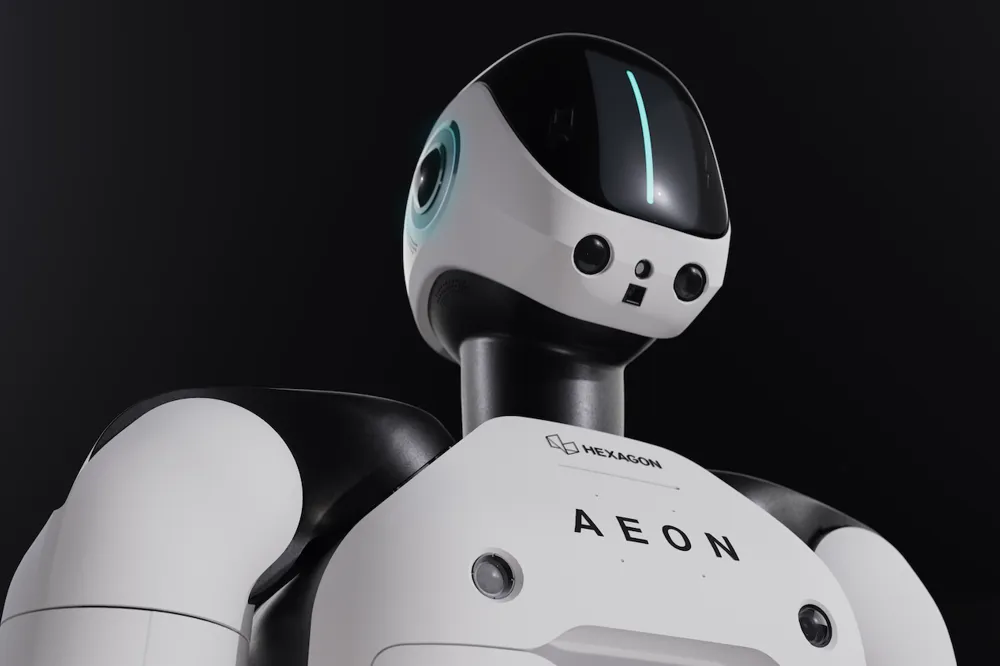
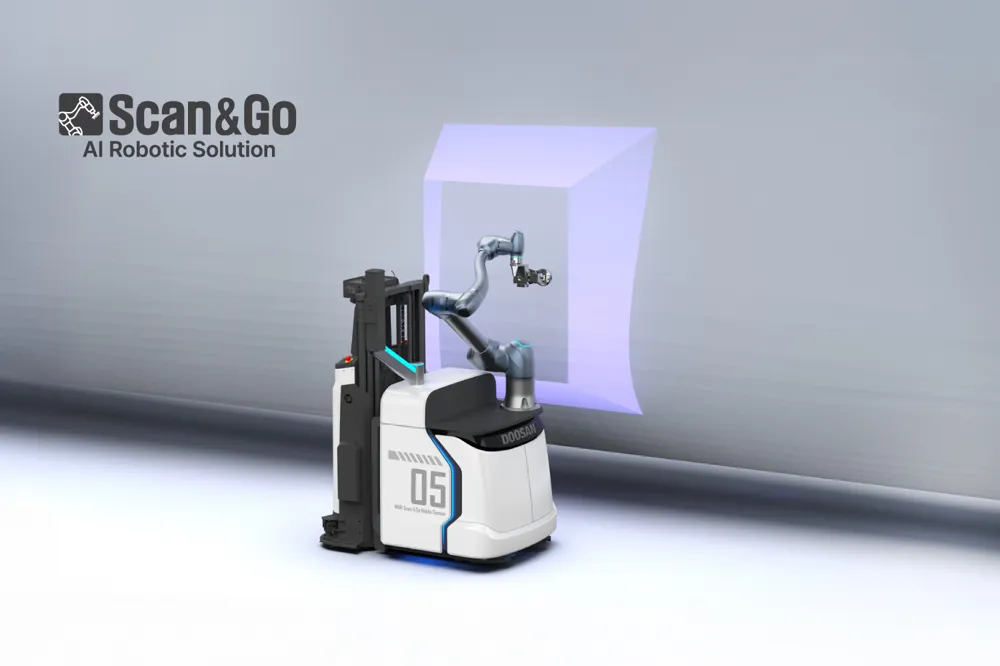
Some were designed to move boxes. Others to assist with inspections. Others to operate in human-built spaces without those spaces needing to change. The navigated stairs, narrow aisles, shared work zones. These robots weren’t the stars of a demo, they were background staff.
And that wasn’t accidental placement. It reflects a growing realization in robotics: the hard part isn’t getting robots to move. It’s getting them to fit into environments designed for people.
Why “Coworker” Is the Right Word
Calling robots “coworkers” is about expectations. A coworker doesn’t need to be perfect. They need to be predictable. They need to communicate intent. They need to know when to act—and when not to.
That mindset showed up everywhere this year. Robots weren’t presented as replacements for humans, but as systems meant to operate alongside them. Watching, assisting, stepping in for tasks that are repetitive, physically taxing, or risky.
This framing matters, especially in industrial and logistics environments. Fully autonomous systems sound appealing in theory, but in practice, most real-world settings are too dynamic. Too human. Too messy.
A robot that can share space, defer control, and recover gracefully from uncertainty is far more valuable than one that only works in ideal conditions.
The Technology Finally Caught Up to the Use Case
Part of why this is happening now is that the underlying tech has matured. Perception systems are better at understanding cluttered environments. AI models are more efficient and responsive at the edge. Sensor fusion—combining vision, depth, force, and motion—has improved enough to support nuanced physical interaction.
Equally important: engineers are no longer designing robots in isolation. They’re designing systems that include robots plus software stacks, plus safety layers, plus human-machine interfaces.
That systems-level thinking showed up again and again. Robots that could explain what they were doing. Robots that slowed down near people. Robots that prioritized not being in the way.
Those aren’t flashy features. But they’re the difference between a demo and a deployment.
Industry Isn’t Asking for Magic Anymore
One of the clearest signals that robots are becoming coworkers is who’s paying attention.
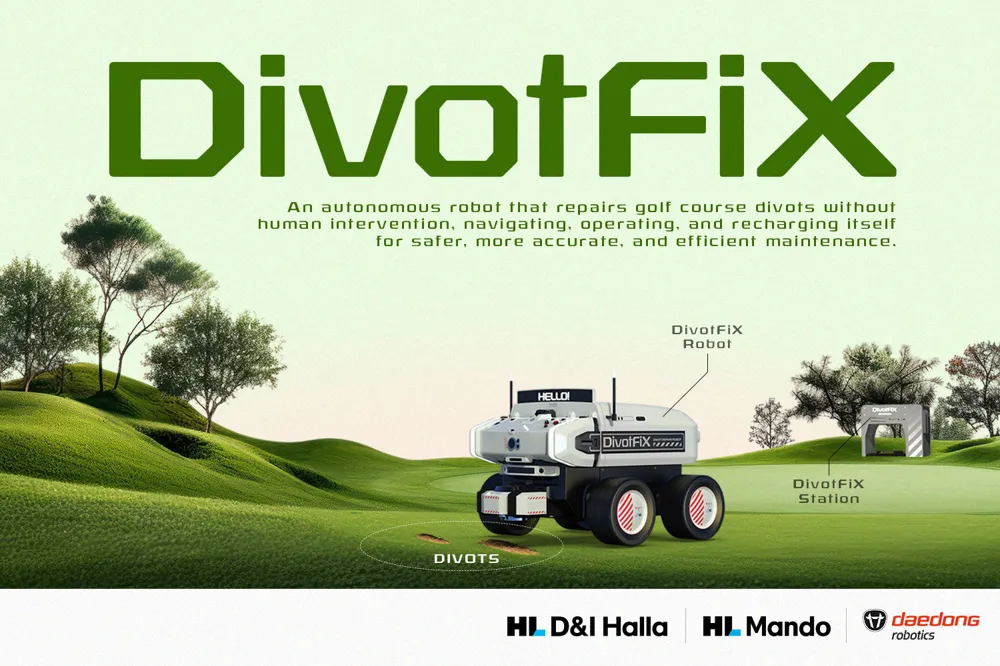
Warehousing, manufacturing, construction, healthcare support—these industries aren’t looking for science fiction. They’re looking for incremental improvements that reduce strain, improve consistency, and make hard jobs a little safer.
That’s why the robots at CES 2026 felt grounded. They weren’t promising to “change everything.” They were offering to take on specific tasks, under specific conditions, with clear limits.
Ironically, that restraint makes the technology feel more real.
The End of the Robot as Entertainment
None of this means robots are finished evolving. Far from it. Dexterity, autonomy, and learning are still active research challenges. Failures will happen. Adoption will be uneven.
But 2026 feels like a turning point in how robots are positioned.
They don’t feel like novelties you watch. They’re being framed as tools you work with.
And that changes how we evaluate them. And we shouldn’t evaluate them by how impressive they look on stage, but by how boring they become once they’re doing their job correctly. In engineering, that’s usually a good sign.


