
A motion sensor in a wearable and one inside a drone might both need to determine how an object is moving, but the motion they encounter is far from uniform. A sensor might need to recognize small changes in orientation one moment and capture a sudden impact or aggressive maneuver the next.
That creates a measurement problem. An accelerometer optimized for sensitivity across a relatively narrow range risks saturating during a high-g event. Expanding the measurement range avoids saturation, but makes it harder to capture smaller movements with the same precision. Switching between ranges introduces another possibility: missing part of the event while the sensor changes modes.
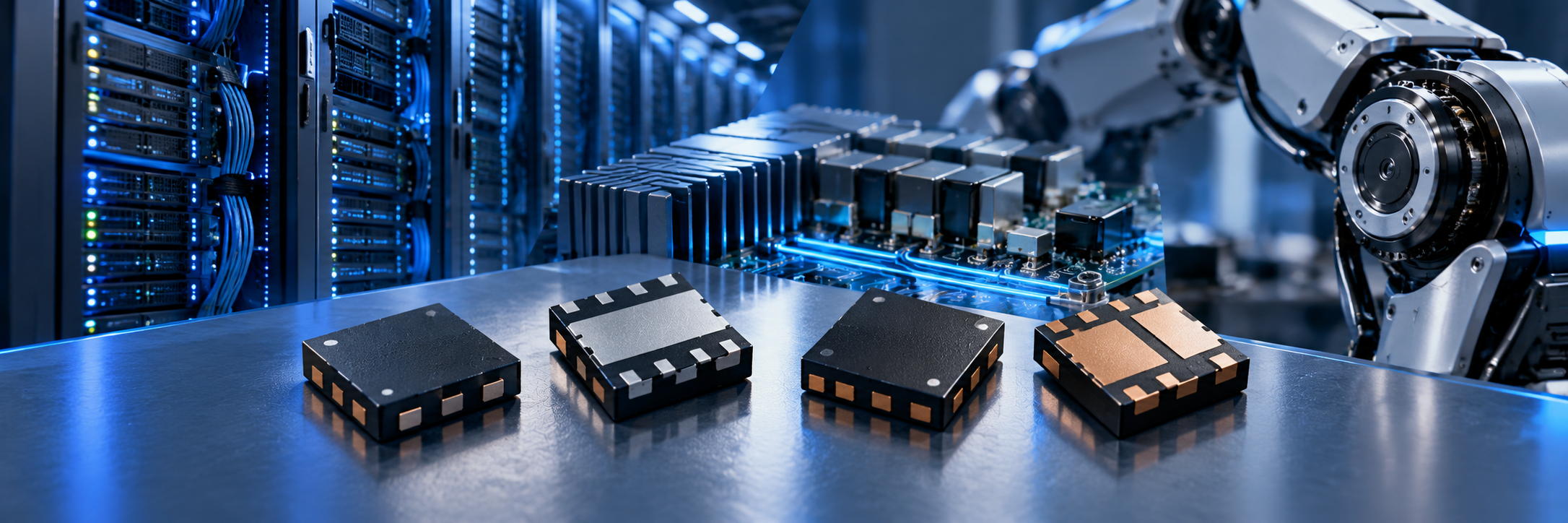
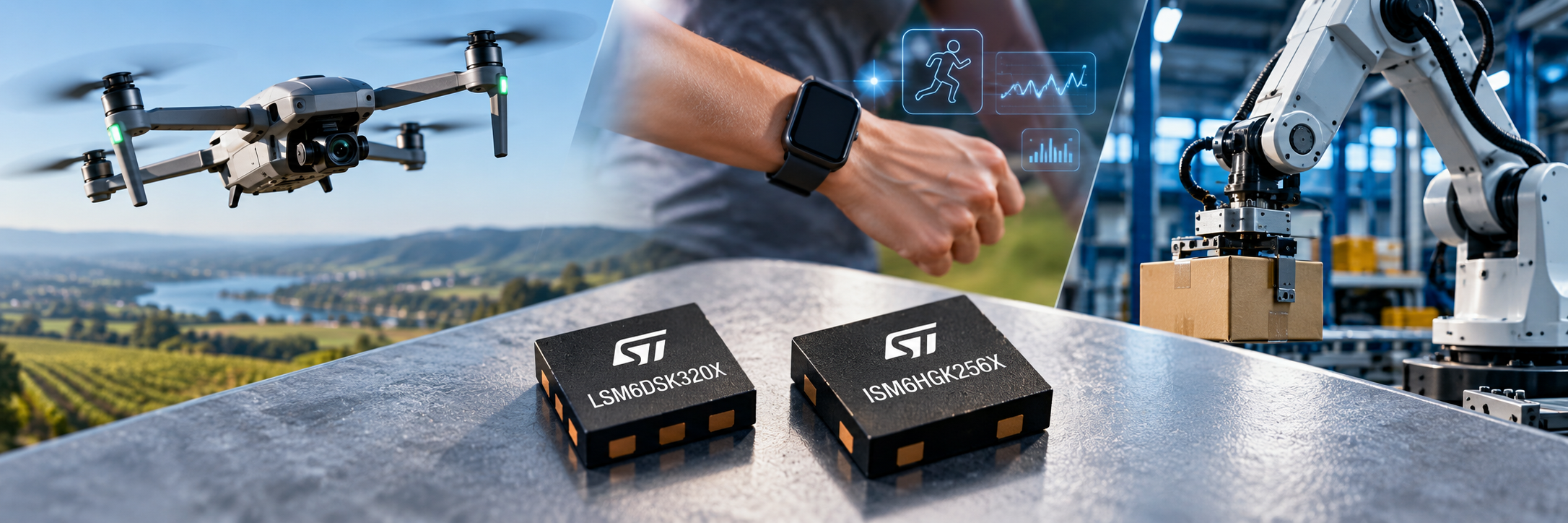
STMicroelectronics is addressing those competing requirements with two new 6-axis inertial measurement units (IMUs), the LSM6DSK320X for consumer applications and ISM6HGK256X for industrial systems.
Measuring Two Motion Ranges at Once
Instead of relying on one accelerometer to cover the entire measurement range, ST integrates two accelerometers and one gyroscope into a single package.
The dual-accelerometer architecture lets the IMUs simultaneously measure lower-range motion up to ±16 g and high-g events reaching ±320 g. Because both measurements happen at the same time, the sensor does not have to switch from one operating range to another when motion suddenly becomes more severe.
That makes the architecture useful for applications where reconstructing an entire event matters. An industrial monitoring system, for example, could capture normal machine vibration along with an unexpected impact. A sports device could distinguish routine movement from a collision. A drone could continue tracking its motion during an aggressive maneuver that might saturate a lower-range accelerometer.
Cancelling Out Unwanted Vibration
ST also redesigned the gyroscope around what it calls a super-symmetric architecture.
The design uses two mirrored electromechanical structures operating in counter-phase. External vibration and shock affect both structures, allowing those disturbances to cancel while preserving the motion signal the sensor needs to measure.
A fully differential signal chain complements the mechanical architecture to improve signal strength and resilience.
Vibration immunity is particularly important in systems such as drones, where the IMU sits close to motors and propellers that continuously introduce mechanical noise. Similar problems appear in industrial equipment, robots and other systems where the sensor needs to separate meaningful movement from vibration generated by the machine itself.
Processing Context Inside the Sensor
Both devices also incorporate ST’s machine-learning core (MLC), allowing certain motion and context-recognition workloads to run directly within the sensor rather than continuously waking the system’s main processor.
Moving that processing closer to the sensor reduces the amount of raw motion data that needs to be handled elsewhere in the system. It also gives developers another way to reduce energy consumption in battery-powered and always-on applications.
ST supports the devices with Motion XLF, sensor-fusion and context-awareness software libraries, along with its MEMS Studio development environment.
The LSM6DSK320X operates from -40°C to +85°C and targets applications including wearables, smart tags, controllers and drones. The industrial-grade ISM6HGK256X extends operation to +105°C and is included in ST’s 10-year product-longevity program for applications requiring longer-term component availability.
Both devices come in compact 2.5 × 3 × 0.83 mm packages.
Why It Matters
Context-aware systems need more than a basic indication that something moved. Increasingly, they need enough information to determine what happened.
Capturing subtle movement and a sudden impact simultaneously provides a more complete picture of an event. Better vibration rejection helps ensure the sensor is measuring the object rather than the mechanical noise surrounding it. Local machine-learning capabilities then give the system a way to begin interpreting those measurements without sending every sample to the host processor.
Those capabilities open the same basic sensor architecture to applications ranging from drone stabilization and robot teaching to structural monitoring, tool-use tracking, sports analysis and accident detection.
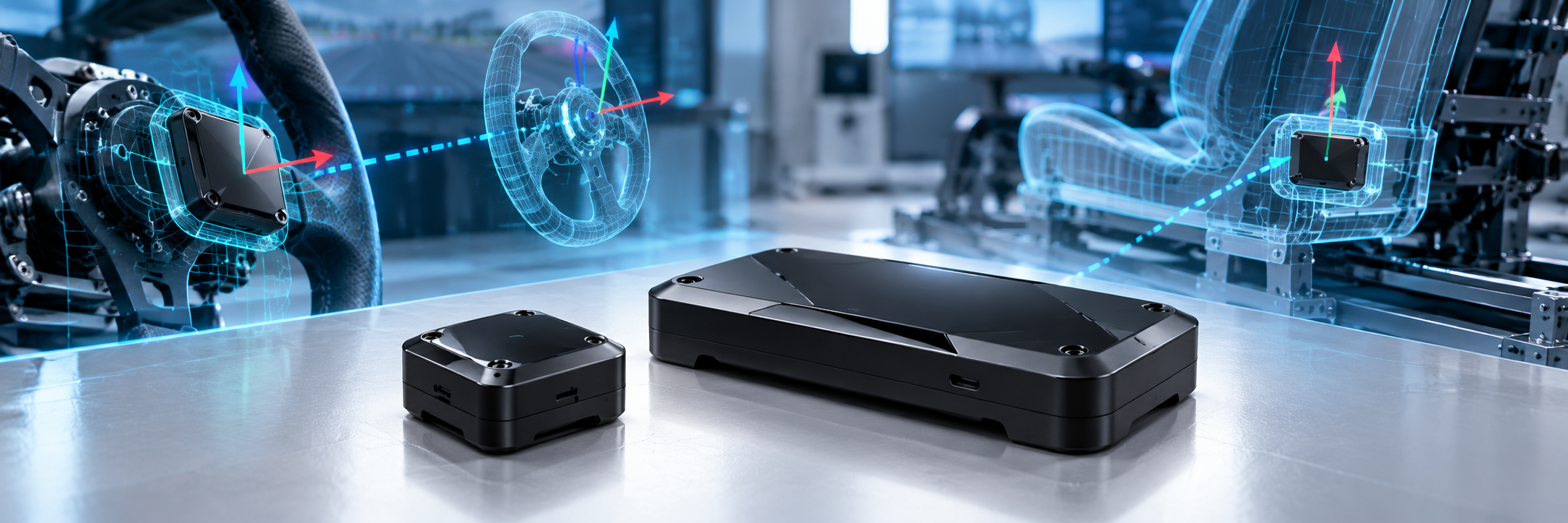
The LSM6DSK320X starts at $4.60, while the ISM6HGK256X starts at $5.10, based on orders of 1,000 pieces. ST plans to make the STEVAL-MKI257A and STEVAL-MKI258KA evaluation boards available through its eStore and distributors in November 2026.
For specifications, development resources and purchasing information, visit STMicroelectronics and search for the LSM6DSK320X or ISM6HGK256X.