

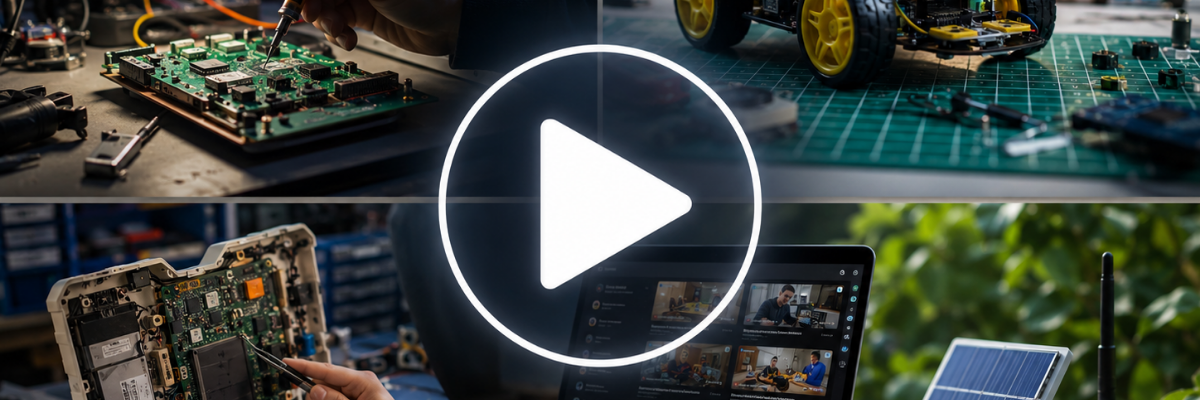
Electrical engineering education does not stop at textbooks, application notes, or datasheets anymore. Some of the most useful project ideas, troubleshooting lessons, and hands-on demonstrations are happening on YouTube. Whether you are looking for PCB inspiration, IoT projects, reverse engineering ideas, or practical build concepts you can recreate yourself, certain channels consistently rise above the rest.
The best engineering creators do more than show a finished product. They walk through design choices, explain why something works—or why it fails—and often expose the trial-and-error process that happens between the initial idea and the final build.
If you’re looking for channels worth adding to your watch list in 2026, these stand out for their practical projects and engineering value.
GreatScott: Turning Ideas into Real Hardware

If the goal is “I want to build actual electrical projects,” GreatScott is usually near the top of the list.
The channel covers a wide range of topics including power electronics, battery systems, PCB design, converters, LED projects, DIY tools, and electronics experiments. What separates the channel from simple build tutorials is that projects typically include the engineering decisions behind them. Rather than only showing what was built, the videos usually explain why particular components, circuits, or approaches were selected.
The channel is especially useful for viewers interested in practical electronics design rather than simply assembling parts.
Some standout projects include:
- Testing and comparing wire connection methods such as Wago connectors versus wire nuts
- DIY electronic tool builds
- Battery and power-system modifications
- LED and converter projects
For engineers looking for projects that feel achievable while still teaching useful concepts, GreatScott remains one of the strongest options.
DroneBot Workshop: Projects You Can Actually Build Yourself

Some engineering channels build incredible systems that require specialized tools and equipment that most people do not have sitting in a garage.
DroneBot Workshop sits at a more approachable point.
The channel focuses heavily on Arduino systems, ESP32 projects, Raspberry Pi hardware, sensors, robotics, and automation. Many of the projects feel realistic enough that viewers can recreate them without needing a fully equipped electronics lab.
That accessibility makes the channel valuable not only for beginners but also for experienced engineers looking for ideas that can quickly turn into weekend projects or proof-of-concept designs.
Typical projects include:
- Robotics systems
- Sensor integration projects
- Home automation builds
- Embedded system experiments
- Raspberry Pi and ESP32 applications
Big Clive: Reverse Engineering the Strange Side of Electronics

Big Clive approaches engineering from a different angle.
Instead of building robots or creating large projects from scratch, many videos begin with a simple question:
“What is happening inside this thing?”
The channel frequently opens up unusual consumer electronics, inexpensive gadgets, lighting products, and miscellaneous devices to examine how they actually work.
That teardown approach often turns into reverse engineering sessions where circuit behavior, component choices, and design shortcuts become part of the story.
For engineers, some of the value comes from seeing practical design decisions—both good and bad—in real products.
The channel regularly covers:
- Electronics teardowns
- Reverse engineering exercises
- Circuit explanations
- Low-cost consumer electronics analysis
- Product design observations
Sometimes learning why something was designed poorly can be just as useful as seeing a perfect design.
Andreas Spiess: Practical IoT Projects Without the Buzzwords
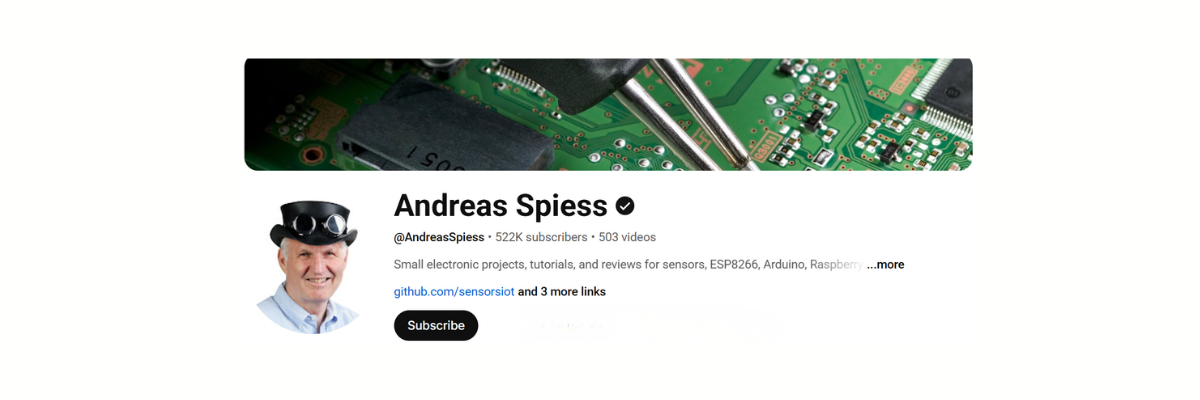
IoT discussions sometimes become overloaded with marketing language and vague promises.
Andreas Spiess typically stays focused on the hardware.
The channel covers solar-powered systems, ESP boards, wireless communication, sensors, home automation, and low-power projects. Many videos include actual measurements, performance comparisons, and tradeoffs rather than simply presenting a completed design.
That emphasis on testing makes the channel useful for engineers who want data alongside demonstrations.
Projects frequently include:
- Wireless sensor systems
- ESP32 and ESP8266 designs
- Home automation projects
- Low-power electronics
- Solar-powered systems
Why Engineering Video Content Continues Growing (And Why YouTube isn’t the Only Place to Go)
The most useful engineering channels are no longer simply teaching theory. They are documenting experimentation, failures, redesigns, and the process of getting a system to work.
For many engineers, that process is where most of the learning happens.
Few projects work perfectly on the first attempt. Watching someone troubleshoot a circuit, redesign a PCB, or explain why a design failed can sometimes teach more than seeing the finished result.
YouTube has become one of the largest destinations for that type of content, but the volume of unrelated videos, algorithms, and general entertainment can also make it difficult to stay focused on engineering-specific material. As the amount of technical content continues to grow, more specialized platforms are also beginning to emerge.
One example is EEVids, a video network focused specifically on electrical engineering and electronics content. Alongside educational videos and engineering discussions, the platform also brings together product demonstrations, application-focused videos, expert interviews, and technology coverage from companies across the electronics industry. Rather than sorting through unrelated recommendations and general-interest content, engineers can find project ideas, design discussions, and information on emerging products and applications in a more focused environment.
Whether the source is YouTube creators building projects in a garage workshop or dedicated engineering platforms collecting industry content in one place, the way engineers learn continues shifting toward visual, hands-on formats that make ideas easier to see in action.