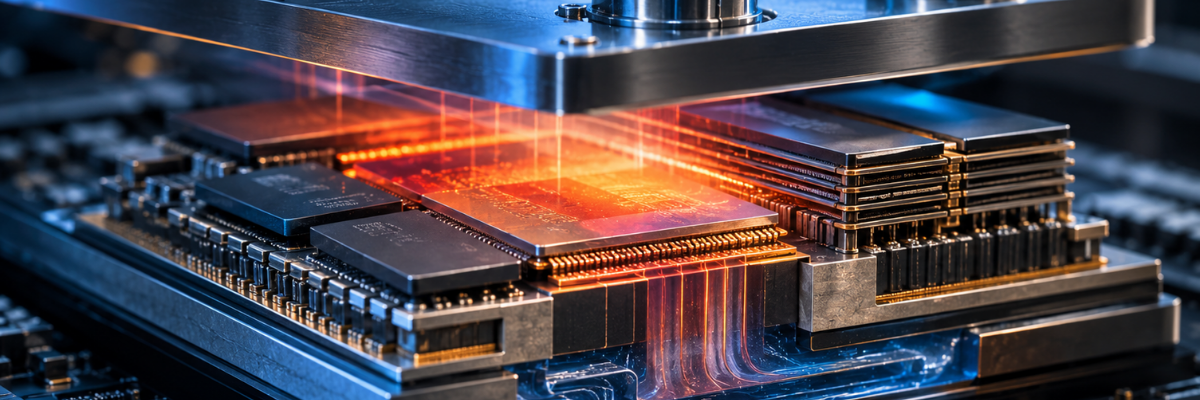


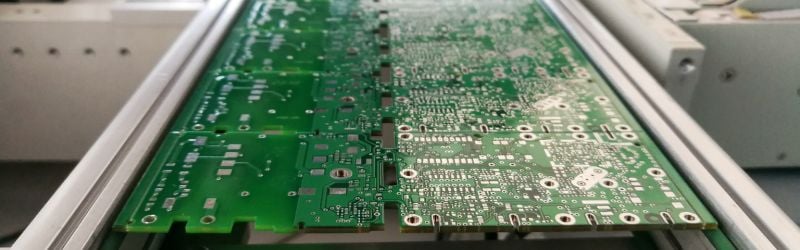
Turning an electronics idea into a commercial product is one of the most challenging steps in hardware development. A prototype may prove a concept works, but moving from a functional demo to a scalable, manufacturable, and reliable product requires a completely different level of engineering discipline.
For startups, OEMs, and engineering teams alike, the journey from prototype to production involves balancing performance, manufacturability, supply chain stability, compliance requirements, and cost targets… all while racing against time-to-market pressures.
The Difference Between a Prototype and a Product
A prototype is designed to validate an idea. A market-ready product is designed to survive manufacturing, shipping, real-world environments, and long-term support cycles.
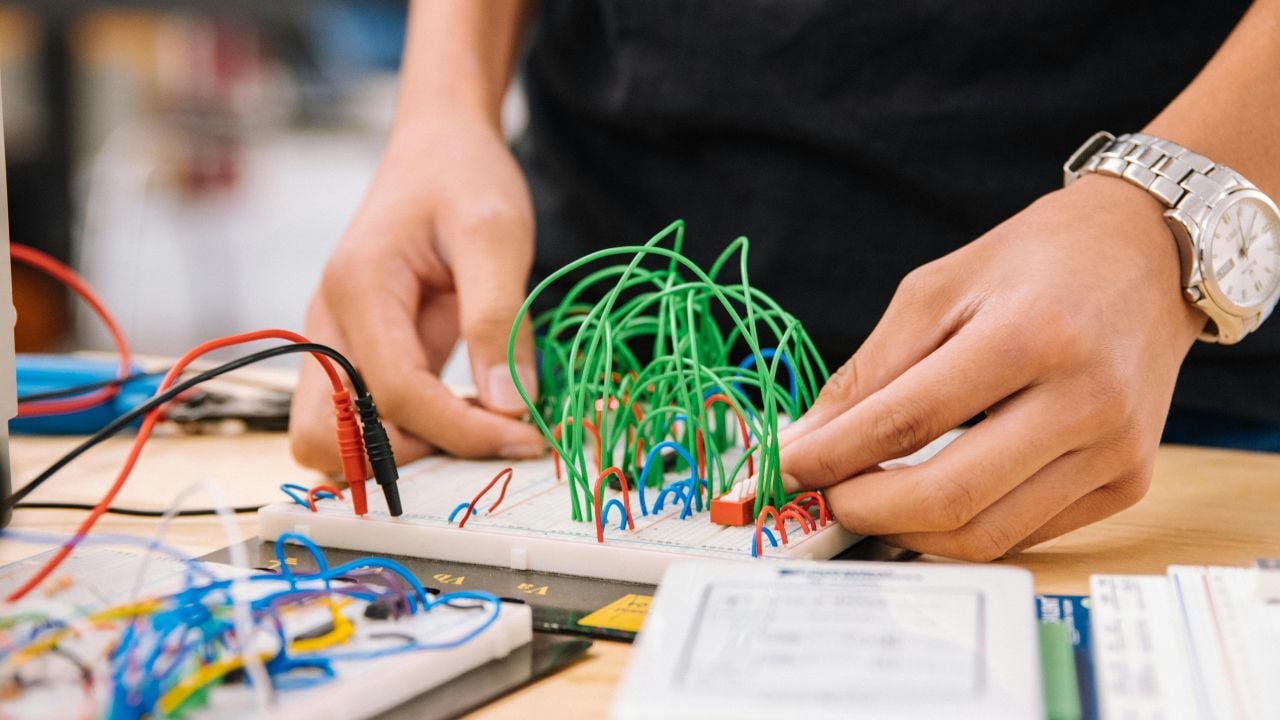
Many early-stage electronics prototypes are built using development boards, jumper wires, rapid PCB revisions, and off-the-shelf modules. These systems are excellent for proving functionality quickly, but they often lack the robustness required for commercial deployment.
As products move closer to market, engineering priorities shift toward:
- Design for Manufacturability (DFM)
- Design for Testability (DFT)
- Thermal performance
- EMI/EMC compliance
- Component lifecycle management
- Mechanical durability
- Firmware reliability
- Cost optimization
This transition is where many projects either mature successfully or stall.
Rapid Prototyping Accelerates Innovation
Modern rapid prototyping technologies have significantly reduced the barriers to hardware development. Quick-turn PCB fabrication, additive manufacturing, and modular compute platforms now allow engineering teams to iterate faster than ever before.
At the electronics level, rapid PCB iteration allows teams to identify layout issues, power integrity problems, and signal integrity concerns earlier in development. Faster iteration cycles can dramatically reduce downstream redesign costs.
Some emerging technologies are pushing this concept even further. One recent example is a reconfigurable “fluid circuit board” platform that enables hardware rewiring in under a minute using liquid metal traces. The technology aims to reduce hardware iteration cycles from days to minutes.
Designing with Manufacturing in Mind
One of the biggest mistakes engineering teams make is treating manufacturability as a late-stage concern.
A design that works perfectly in the lab may fail repeatedly during assembly or scaling if it was not developed with manufacturing constraints in mind.
Design for Manufacturability focuses on simplifying production while improving consistency and reducing cost. This includes considerations such as:
- Component spacing
- PCB layer stack-up
- Assembly accessibility
- Connector placement
- Thermal management
- Automated inspection compatibility
- Soldering tolerances
Even seemingly minor layout decisions can significantly impact production yield and assembly costs.
Supply Chain Stability Matters Early
Component selection is no longer just an electrical engineering decision. It is also a supply chain strategy decision.
Selecting a microcontroller or power component that reaches end-of-life shortly after launch can force expensive redesigns and delay production schedules. Industry experts increasingly recommend evaluating long-term availability during the prototype stage instead of after production planning begins.
Engineering teams are also paying closer attention to:
- Multi-source component strategies
- Geographic sourcing risks
- Lead-time volatility
- Lifecycle forecasting
- Inventory resilience
The semiconductor shortages experienced in recent years demonstrated how vulnerable hardware programs can become when supply chain planning is treated as an afterthought.
Pilot Production Bridges the Gap
Before full-scale manufacturing begins, most successful electronics products move through pilot production.
Pilot runs allow teams to validate:
- Assembly workflows
- Manufacturing repeatability
- Functional testing systems
- Packaging processes
- Firmware flashing procedures
- Thermal behavior under production conditions
This phase is critical because problems discovered during pilot production are far less expensive to fix than issues uncovered after mass deployment.
Pilot manufacturing also helps engineering teams establish baseline production metrics such as yield rates, assembly times, and defect trends.
Testing and Validation Are Critical
Electronics products must operate reliably under real-world conditions, not just ideal lab environments.
Comprehensive validation typically includes:
- Thermal testing
- Vibration testing
- ESD testing
- Power integrity analysis
- Signal integrity validation
- Environmental stress testing
- Compliance pre-scans
- Long-duration reliability testing
For connected devices, cybersecurity and firmware update strategies have also become major parts of product validation.
As embedded systems become more complex, software validation is increasingly just as important as hardware validation.
Firmware and OTA Infrastructure
Modern electronics products rarely remain static after launch. Firmware updates now play a central role in feature expansion, bug fixes, and security maintenance.
This creates additional design requirements during product development, including:
- Secure boot systems
- Reliable OTA update infrastructure
- Recovery and rollback functionality
- Remote diagnostics
- Cybersecurity hardening
Ignoring firmware lifecycle planning early can create major scalability problems after deployment.
Scaling to Full Production
Once pilot manufacturing is stable, products can move into full production.
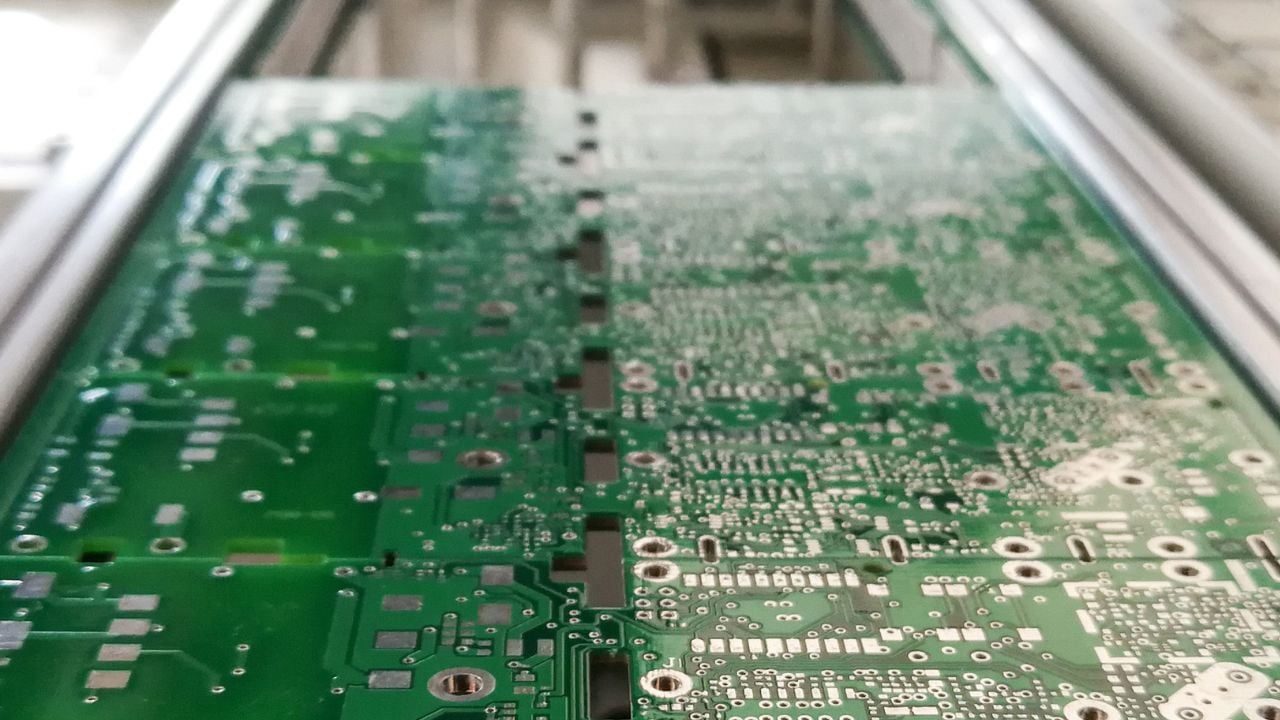
At this stage, consistency becomes the primary goal. Manufacturing teams focus on maintaining repeatability across large production volumes while minimizing defects and downtime.
Successful scaling requires close coordination between:
- Electrical engineering
- Mechanical engineering
- Firmware development
- Manufacturing engineering
- Supply chain management
- Quality assurance
The companies that scale successfully are usually the ones that integrate these disciplines early rather than treating them as separate phases.
The Future of Electronics Product Development
Electronics prototyping continues to evolve rapidly. AI-assisted design tools, advanced simulation platforms, additive manufacturing, and automated PCB design workflows are reducing development cycles and improving accessibility for smaller engineering teams.
At the same time, increasing product complexity is raising expectations around reliability, connectivity, power efficiency, and manufacturability.
The future of bringing electronics products to market will likely depend on how effectively teams can combine rapid innovation with scalable production discipline.
Because in modern electronics development, building a working prototype is only the beginning. Here’s How to Engineer Automated Systems for Scalability, Cost, and Performance