Humanoid robots are among the most complex machines ever developed. Unlike traditional industrial robots that perform repetitive tasks in controlled environments, humanoid robots must operate in dynamic human-centric spaces. To accomplish this, they rely on a sophisticated collection of interconnected systems that allow them to perceive their surroundings, make decisions, maintain balance, communicate, and manipulate objects.
At the center of every humanoid robot is a network of hardware and software subsystems working together in real time. Understanding these key systems provides insight into how modern humanoid platforms are evolving from research projects into practical tools for manufacturing, logistics, healthcare, and service applications.
The Central Controller: The Robot’s Brain
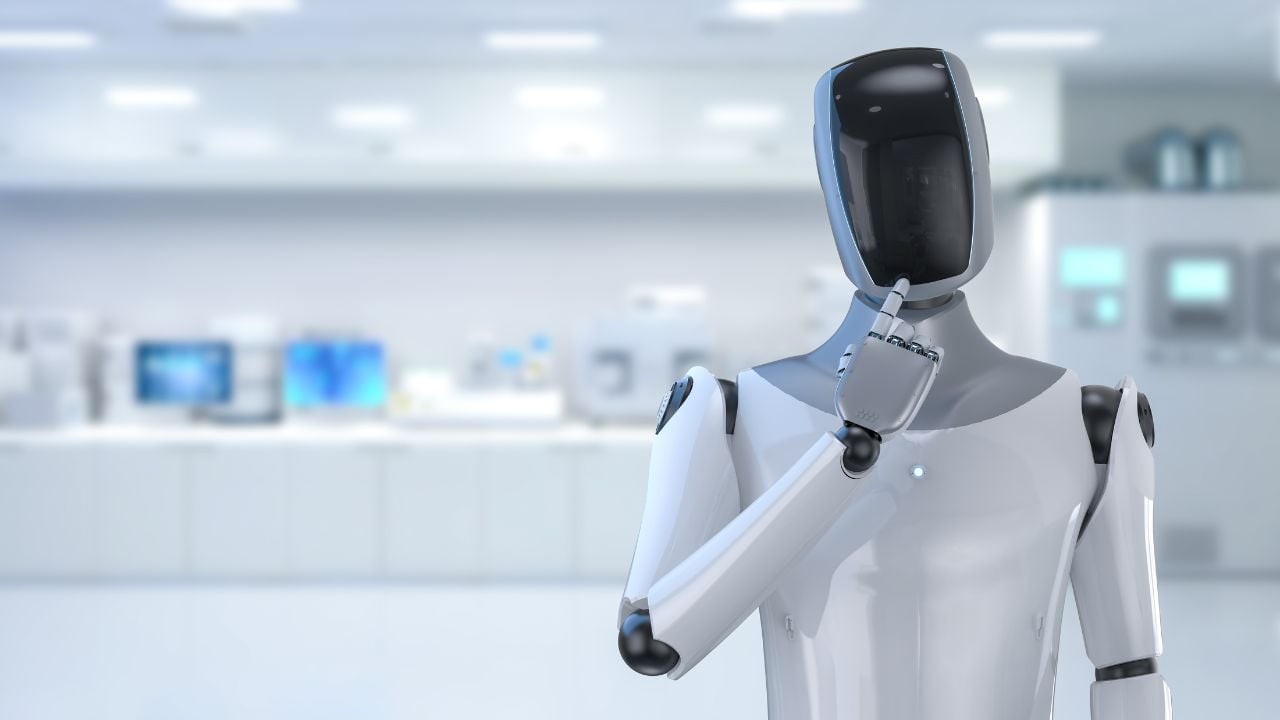
The central controller serves as the primary processing hub of a humanoid robot. Much like the human brain coordinates sensory input and motor functions, the controller gathers information from sensors, processes data, makes decisions, and issues commands to the robot’s various subsystems.
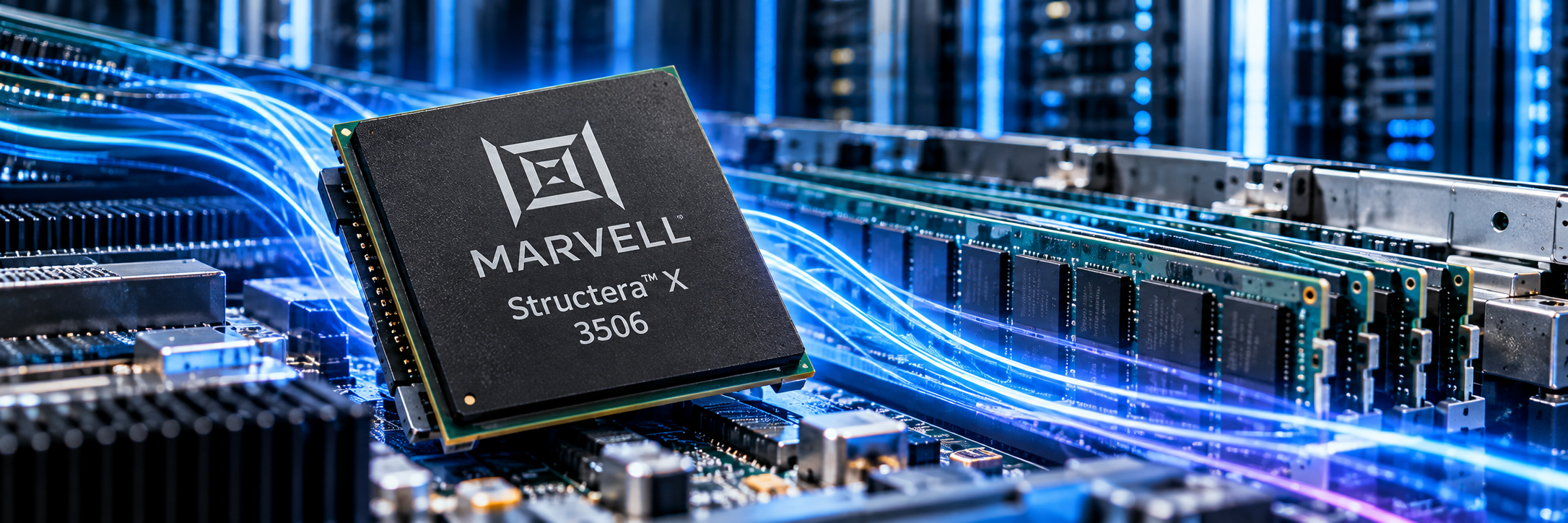
Modern humanoid robots often employ a combination of CPUs, GPUs, AI accelerators, and real-time processors. These computing resources support tasks such as:
- Sensor fusion
- Motion planning
- Artificial intelligence inference
- Pathfinding
- Object recognition
- Human interaction
The controller continuously evaluates environmental conditions while coordinating hundreds of simultaneous processes that keep the robot functioning safely and efficiently.
Vision and Perception Systems
For a humanoid robot to interact effectively with its environment, it must first understand what surrounds it. Vision and perception systems provide this awareness.
These systems typically include:
- RGB cameras
- Stereo cameras
- Depth sensors
- LiDAR
- Time-of-flight sensors
- Infrared sensors
Data from these devices is combined to create a three-dimensional understanding of the robot’s environment. Advanced perception software can identify people, recognize objects, detect obstacles, estimate distances, and track movement.
Machine learning algorithms further enhance perception by enabling robots to recognize patterns and interpret complex scenes in real time.
Motion Control Systems
Movement is one of the defining characteristics of a humanoid robot. Motion control systems convert high-level commands into precise mechanical actions.
The motion control architecture generally includes:
- Motor controllers
- Servo drives
- Real-time control processors
- Position feedback systems
These systems coordinate dozens of joints simultaneously while ensuring smooth and natural movement. Motion controllers must continuously calculate joint trajectories, acceleration profiles, and corrective adjustments to maintain stability during walking, running, climbing stairs, or manipulating objects.
Because humanoid locomotion involves constant balance adjustments, motion control systems operate with extremely low latency requirements.
Actuation Systems: Creating Motion
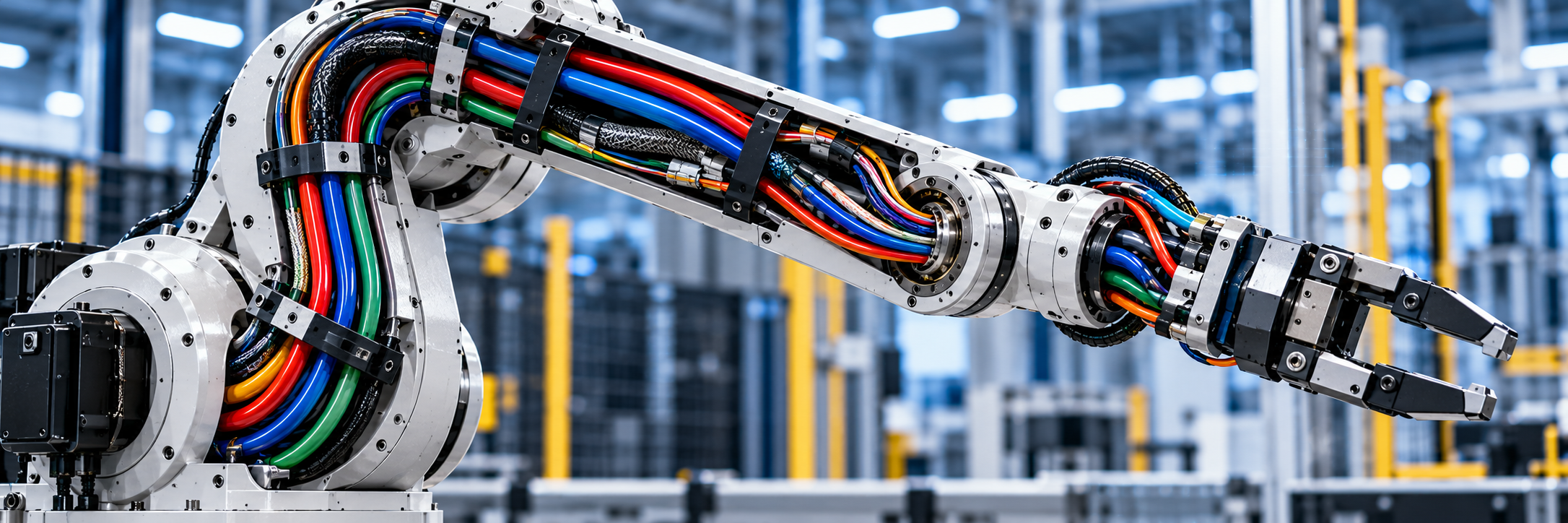
Actuators serve as the muscles of a humanoid robot. They generate the physical force required for movement.
Common actuator technologies include:
Electric Actuators
Electric motors dominate most modern humanoid designs due to their efficiency, precision, and controllability.
Advantages include:
- High precision
- Low maintenance
- Energy efficiency
- Easy integration with electronic control systems
Hydraulic Actuators
Hydraulic systems can deliver exceptional force and power density.
Advantages include:
- High load capacity
- Strong dynamic performance
- Excellent power-to-weight ratios
However, they introduce complexity, maintenance requirements, and potential fluid leakage concerns.
Emerging Actuation Technologies
Researchers are actively developing:
- Artificial muscles
- Electroactive polymers
- Soft robotic actuators
- Pneumatic systems
These technologies aim to improve efficiency, flexibility, and human-safe interaction.
Balance and Stability Systems
Walking on two legs is significantly more difficult than moving on wheels. Humanoid robots require sophisticated balance systems to remain upright while responding to changing terrain and external forces.
Key components include:
- Inertial Measurement Units (IMUs)
- Gyroscopes
- Accelerometers
- Force-torque sensors
- Joint position sensors
These devices provide continuous feedback regarding orientation, acceleration, and weight distribution.
Advanced control algorithms process this information to make rapid adjustments that prevent falls and maintain stable movement.
Manipulation Systems: Hands and Arms
One of the greatest advantages of humanoid robots is their ability to use tools and interact with objects designed for humans.
Manipulation systems include:
- Robotic arms
- Multi-axis wrists
- Dexterous hands
- Force sensors
- Tactile sensors
Modern robotic hands may contain dozens of independently controlled joints that allow them to grasp, rotate, and manipulate objects with increasing precision.
Applications range from warehouse picking to equipment maintenance and healthcare assistance.
Communication Systems
Humanoid robots must communicate internally and externally.
Internal Communications
Within the robot, high-speed communication networks connect:
- Sensors
- Controllers
- Actuators
- Safety systems
Common industrial communication protocols include:
- Ethernet
- EtherCAT
- CAN Bus
- Industrial Ethernet variants
External Communications
External connectivity enables robots to:
- Receive updates
- Connect to cloud services
- Exchange operational data
- Coordinate with other robots
- Support remote monitoring
Wireless technologies often include:
- Wi-Fi
- 5G
- Bluetooth
Reliable communications are essential because delays or data loss can directly impact robot performance and safety.
Power Management Systems
Every humanoid robot requires an efficient power infrastructure capable of supporting high-performance computing, sensing, and motion systems simultaneously.
Power systems typically include:
- Battery packs
- Battery management systems (BMS)
- Voltage regulation circuits
- Charging systems
- Power distribution networks
Engineers must carefully balance runtime, weight, thermal performance, and energy density to achieve practical operational durations.
Advances in battery technology continue to play a significant role in expanding humanoid robot capabilities.
Power the next generation of humanoid robots

Artificial Intelligence and Decision-Making Systems
Artificial intelligence increasingly serves as the decision-making layer of modern humanoid robots.
AI systems enable:
- Natural language interaction
- Object recognition
- Task planning
- Adaptive learning
- Autonomous navigation
Rather than simply executing pre-programmed instructions, AI allows robots to respond dynamically to changing situations and perform tasks with greater autonomy.
As generative AI and large language models become integrated into robotic systems, humanoid robots are gaining more sophisticated reasoning and communication capabilities.
Safety Systems
Safety remains one of the most critical requirements for humanoid robots operating around people.
Safety architectures commonly include:
- Emergency stop systems
- Collision detection
- Redundant sensors
- Fault monitoring
- Safe torque-off controls
- Functional safety controllers
These systems continuously monitor robot operation and can rapidly reduce power or halt movement when hazardous conditions are detected.
As humanoid robots move into workplaces and public environments, safety system design will become increasingly important.
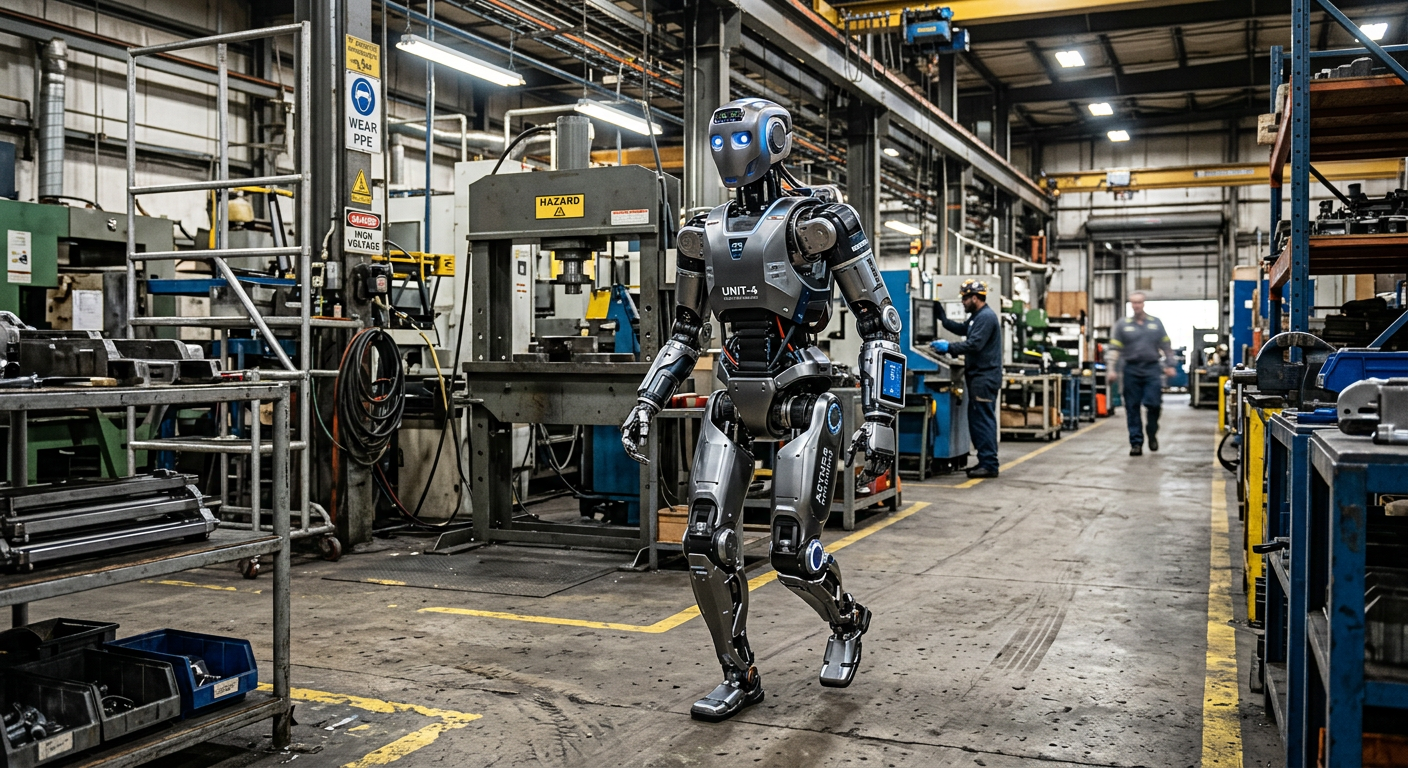
Humanoid robots are the result of multiple advanced engineering disciplines working together. Vision systems provide environmental awareness, motion control systems coordinate movement, actuators generate force, communication networks connect subsystems, and AI enables increasingly autonomous behavior. At the center of everything, the controller orchestrates these technologies to create a machine capable of interacting with the world in ways that resemble human capabilities.
As advances in computing, sensing, connectivity, power management, and artificial intelligence continue, the capabilities of humanoid robots will expand significantly. Understanding the key systems that make these machines function provides valuable insight into the technologies driving the next generation of robotics.